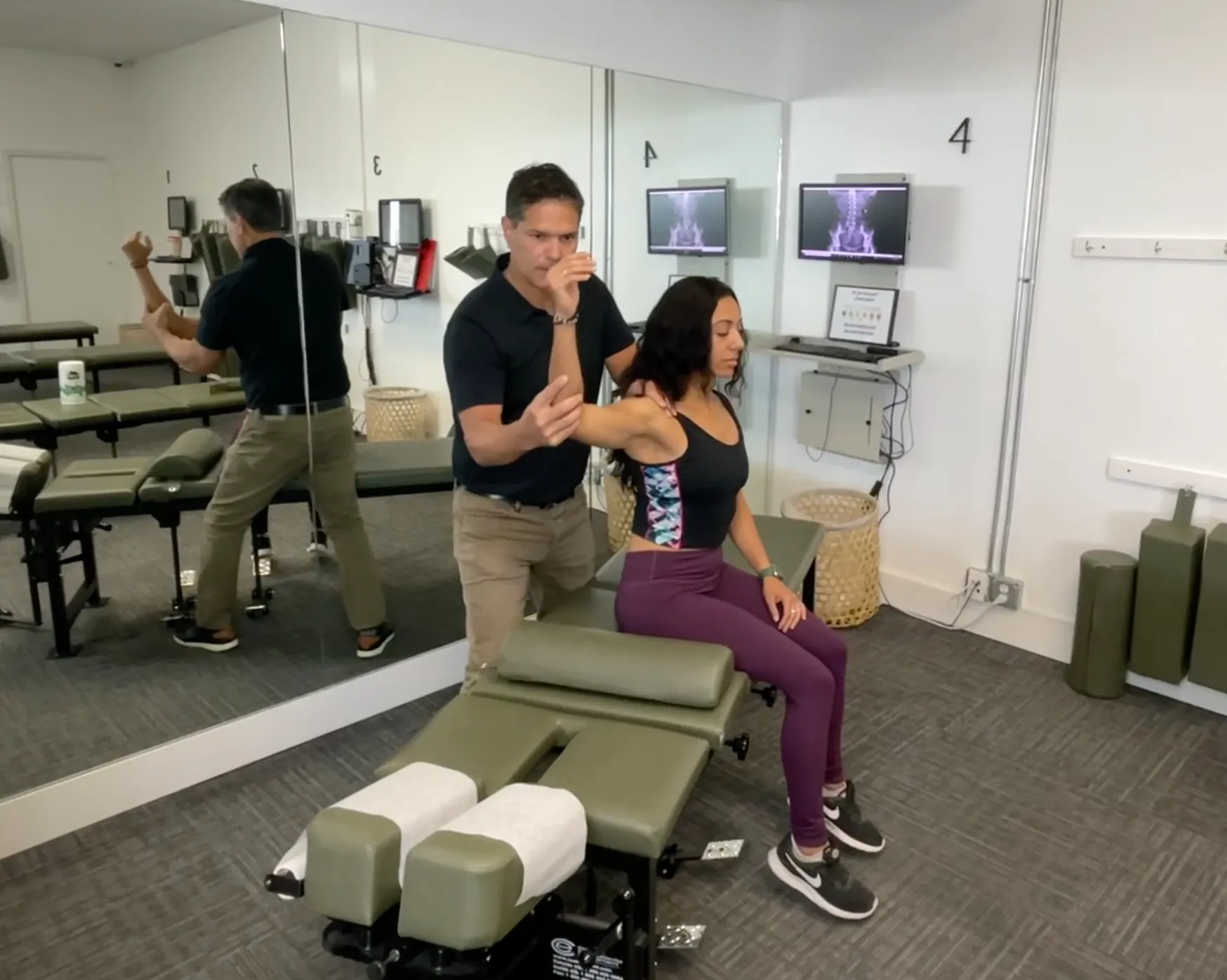
TMJ Treatment in Austin, TX
The temporomandibular joint, commonly known as TMJ, is one of the most complex and frequently used joints in the human body. You rely on it every time you chew, speak, yawn, or swallow. When this joint becomes dysfunctional, the resulting pain and limitation can affect virtually every aspect of your daily life. At Espinoza Chiropractic in Austin, we provide targeted chiropractic treatment for TMJ disorders that addresses the root cause of your jaw discomfort and delivers the immediate relief many patients desperately need.
TMJ disorders, sometimes referred to as TMD (temporomandibular disorders), affect an estimated 10 million Americans. Despite being so common, TMJ issues are frequently misdiagnosed or undertreated because patients and practitioners often overlook the connection between jaw pain and the cervical spine. At Espinoza Chiropractic, Dr. Espinoza understands this connection and treats TMJ disorders with a comprehensive approach that considers both the jaw and the neck.
Understanding the TMJ
The temporomandibular joint is a hinge-and-sliding joint that connects your jawbone to your skull, with one joint on each side of your face just in front of the ears. A small cartilage disc sits between the bones of the joint, cushioning the movement and allowing smooth, pain-free motion. The joint is supported by a complex network of muscles, ligaments, and nerves that work together to produce the precise movements required for chewing and speaking.
When any component of this system is disrupted, whether through injury, misalignment, muscle tension, or disc displacement, the result is a TMJ disorder. The dysfunction can originate within the joint itself, in the surrounding muscles, or in the cervical spine, which directly influences jaw mechanics through shared nerve pathways and muscle connections.
Symptoms of TMJ Disorders
TMJ disorders produce a wide range of symptoms that patients may not immediately associate with the jaw joint:
- Jaw pain or tenderness — Aching or sharp pain in the jaw, particularly when chewing, speaking, or opening the mouth wide
- Clicking or popping sounds — Audible clicks, pops, or grinding sounds when opening or closing the mouth, often indicating disc displacement within the joint
- Limited jaw movement — Difficulty opening the mouth fully or a sensation that the jaw is locked or catching
- Ear pain and fullness — Pain in or around the ear, ringing in the ears (tinnitus), or a sensation of ear congestion, often without any ear infection
- Headaches — Chronic headaches, particularly in the temples, forehead, or behind the eyes, are frequently associated with TMJ dysfunction
- Neck and shoulder pain — Tension and pain in the neck and upper shoulders that may be both a cause and consequence of TMJ issues
- Facial pain — Aching or fatigue in the face, particularly after eating or extended conversation
- Tooth sensitivity — Pain or sensitivity in the teeth that has no dental cause, often related to clenching or grinding
What Causes TMJ Disorders?
TMJ disorders can develop from a single cause or a combination of factors:
- Jaw misalignment — When the TMJ is not properly aligned, the disc can slip out of position, and the muscles must compensate, leading to pain and dysfunction.
- Cervical spine misalignment — Subluxations in the upper cervical spine affect the nerves and muscles that control jaw movement. Research has demonstrated a strong biomechanical link between cervical spine dysfunction and TMJ disorders.
- Bruxism — Chronic teeth grinding or clenching, often occurring during sleep, places enormous stress on the TMJ and surrounding muscles.
- Trauma — A blow to the jaw, a car accident, or even prolonged dental work can trigger TMJ dysfunction.
- Stress — Emotional stress causes many people to clench their jaw or tighten the muscles of the face and neck, contributing to TMJ strain over time.
- Postural imbalances — Forward head posture and rounded shoulders alter the position of the jaw and increase tension in the muscles that control it.
Our TMJ Treatment Approach
At Espinoza Chiropractic in Austin, TMJ treatment begins with a thorough evaluation. Dr. Espinoza assesses the TMJ itself, examining range of motion, joint sounds, muscle tenderness, and bite alignment. The cervical spine is also evaluated, because treating the jaw in isolation often produces incomplete results.
TMJ Adjustments
Dr. Espinoza performs gentle, precise adjustments to the temporomandibular joint to restore proper alignment and disc position. These adjustments are targeted and specific, using controlled pressure to guide the joint back into its correct relationship. Many patients experience immediate relief following their first TMJ adjustment, with reduced pain, improved jaw opening, and elimination of clicking or popping.
Cervical Spine Adjustments
Because the cervical spine and TMJ are biomechanically linked, chiropractic adjustments to the upper cervical vertebrae are often an essential component of TMJ treatment. Correcting cervical misalignments reduces nerve irritation that contributes to jaw muscle tension and dysfunction.
Soft Tissue Therapy
The muscles of mastication, including the masseter, temporalis, and pterygoid muscles, often develop trigger points and adhesions in TMJ patients. Dr. Espinoza uses targeted soft tissue techniques to release these areas, reduce spasm, and restore normal muscle function.
Self-Care Guidance
Effective TMJ management extends beyond the treatment room. Dr. Espinoza provides guidance on jaw exercises to improve mobility and strength, stress management techniques to reduce clenching, dietary modifications during acute flare-ups, and sleeping position adjustments to minimize nighttime stress on the jaw.
Long-Term Management
TMJ disorders often require a combination of in-office treatment and ongoing self-care. Most patients at Espinoza Chiropractic notice significant improvement within the first few visits, with continued progress over a series of treatments. For patients with chronic TMJ issues, periodic maintenance visits can help prevent recurrence and keep the jaw functioning comfortably.
Get TMJ Relief in Austin
If jaw pain, clicking, or limited movement is affecting your quality of life, Espinoza Chiropractic in Austin can help. Our targeted approach to TMJ treatment addresses both the joint itself and the cervical spine factors that contribute to dysfunction, providing comprehensive relief that lasts.
Call (512) 488-0786 or request an appointment today.